Ayodhya Dham Travel Guide - Ram Mandir, Temples & Trip Planner
Embark on a spiritual journey to Ayodhya Dham! Discover the new Ram Mandir, ancient temples, what to eat, where to stay, and essential travel tips in this complete guide to the birthplace of Lord Ram.
Hey fellow travelers and spiritual seekers!
There are places you visit, and then there are places that visit you, settling deep within your soul. Ayodhya Dham is one such place. For years, I'd heard the legends, the stories of Lord Ram, and the deep spiritual undercurrent that flows through this ancient city. And now, with the magnificent new Ram Mandir gracing its sacred land, the pull to experience Ayodhya firsthand became irresistible. Let me tell you, it’s more than just a pilgrimage; it's an immersion into faith, history, and a vibrant culture that welcomes you with open arms and a chorus of "Jai Shri Ram!"
The air in Ayodhya itself feels different – charged with devotion, echoing with chants, and fragrant with incense. It's a city reborn, yet timeless. Walking its streets, you can almost feel the footsteps of Lord Ram, Sita, Lakshman, and Hanuman. It’s a place where every stone seems to whisper tales of a bygone era, an era of righteousness and divine play. So, if you’re planning a trip, or even just curious, let me share my journey and a few tips to help you navigate this incredible city.
The Divine Abodes: Top Temples You Must Visit
Ayodhya is a city of temples, each with its unique charm and spiritual significance. Here are a few that truly touched my heart:
-
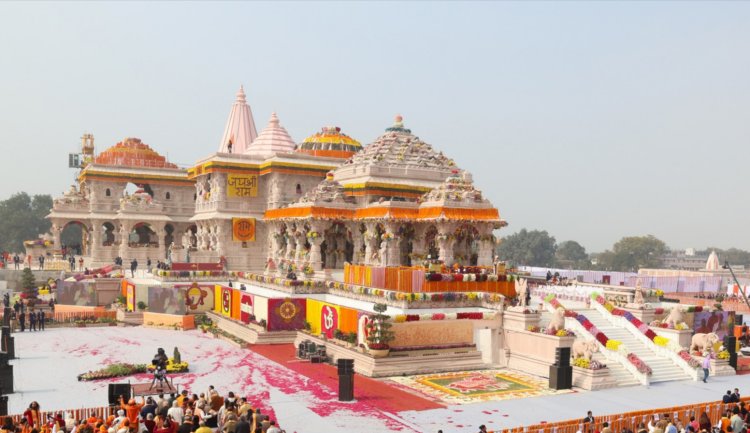
Ram Janmabhoomi Mandir: This is it. The very reason Ayodhya resonates so deeply with millions. The newly inaugurated temple is an architectural marvel, a testament to unwavering faith. Seeing the idol of Ram Lalla (infant Lord Ram) is an experience that’s hard to put into words – a sense of profound peace and overwhelming emotion washes over you.
- What makes it special: It's the birthplace of Lord Ram. The sheer devotion of the pilgrims, the intricate carvings, and the palpable spiritual energy are awe-inspiring.
- When to visit: Early morning is ideal to avoid the biggest crowds and to witness the morning aarti. Evenings are also beautiful with the temple illuminated.
- Spiritual customs: Maintain silence and reverence inside the temple complex. Photography is usually restricted inside the main sanctum. Offerings of flowers and prasad are common.
-
Hanuman Garhi: Perched atop a mound, this 10th-century temple dedicated to Lord Hanuman is a must-visit. You have to climb about 76 steps to reach the main shrine, but the panoramic view of Ayodhya from the top, and the powerful presence of Hanuman Ji, make it worth every step.
- What makes it special: It’s believed that Lord Hanuman resided here to protect Ayodhya. The vibrant atmosphere, with devotees chanting Hanuman Chalisa, is incredibly uplifting.
- When to visit: Early morning or late evening for aarti. Tuesday is the special day for Hanuman Ji, so expect more crowds.
- Spiritual customs: Offerings of besan ladoos (gram flour sweets) are a popular tradition here. Many devotees also offer sindoor (vermillion).
-
Kanak Bhawan (Sone-ka-Ghar): This beautiful temple is believed to have been gifted to Sita by Kaikeyi after her marriage to Ram. The name "Kanak Bhawan" means "House of Gold," and it truly lives up to its name with its ornate architecture and idols of Lord Ram and Sita adorned with gold ornaments.
- What makes it special: The intricate artwork, the serene ambiance, and the belief that this was Sita’s personal palace make it a very special place. The idols here are exceptionally beautiful.
- When to visit: Morning or evening. The temple has a peaceful courtyard where you can sit and soak in the divine atmosphere.
- Spiritual customs: Devotees often offer prayers for marital bliss here.
-
Nageshwarnath Temple: Legend has it that this temple was established by Kush, Lord Ram's son, for a Naga Kanya (serpent maiden) who fell in love with him. It's dedicated to Lord Shiva.
- What makes it special: It’s one of the oldest temples in Ayodhya and holds significant historical and mythological importance. It connects the Ramayana era with Shaivism.
- When to visit: Evenings, especially during Shivratri, are very vibrant.
- Spiritual customs: Offering bilva leaves and water to the Shivalinga is a common practice.
-
Treta Ke Thakur: This temple stands where Lord Ram is said to have performed the Ashwamedha Yagya. The current structure houses idols of Lord Ram, Sita, Lakshman, Bharat, Shatrughan, and Hanuman, carved from black sandstone.
- What makes it special: The historical significance of the Ashwamedha Yagya and the unique black stone idols. It's a quieter, more contemplative spot.
- When to visit: Morning or late afternoon.
- Spiritual customs: A place for quiet prayer and reflection on the righteous reign of Lord Ram.
Finding Your Haven: Where to Stay in Ayodhya
Ayodhya is gearing up for a lot more visitors, and accommodation options are expanding. Here’s a mix to consider:
- Dharamshalas: For a truly immersive and budget-friendly experience, dharamshalas are a great option. Many are run by religious trusts and offer basic, clean facilities. They are often located close to the temples. You might not always find online booking for all of them, so it's good to inquire locally or have a contact. Some well-known ones are Birla Dharamshala and Shri Ram Dharmarth Seva Sansthan.
- Budget to Mid-Range Hotels: Several new hotels have sprung up offering comfortable rooms with attached bathrooms, AC, and sometimes in-house restaurants. Look for places around the main temple complex or near the bus stand for convenience. Websites like MakeMyTrip, Goibibo, and Booking.com are increasingly listing Ayodhya hotels. Hotel Ramprastha and The Ramayana Hotel are a couple of names I came across that seemed decent.
- Homestays: A growing trend, offering a more personal touch and home-cooked food. Check online platforms or ask locals for recommendations.
My Tip: Book well in advance, especially if you’re traveling during festivals or weekends. Prioritize cleanliness and proximity to the areas you want to explore most. Many places offer simple vegetarian food, which is usually delicious!
Beyond the Temples: Must-Visit Attractions Nearby
Ayodhya’s spiritual aura extends beyond its temple walls. Take some time to explore these spots:
- Saryu Ghat: The sacred Saryu River is the lifeline of Ayodhya. A boat ride on the Saryu, especially at sunrise or sunset, is magical. The evening aarti at Ram Ki Paidi, a series of ghats on the Saryu, is a spectacular sight with countless diyas floating on the river – absolutely unmissable! I just sat there for hours, mesmerized.
- Guptar Ghat: This ghat holds the belief that Lord Ram took Jal Samadhi here, disappearing into the Saryu to return to his divine abode. It’s a serene spot, perfect for quiet contemplation away from the main city bustle.
- Ramkatha Park: A beautifully landscaped park that often hosts spiritual discourses, cultural programs, and recitations of the Ramayana. It’s a lovely place for an evening stroll and to witness local cultural events if any are scheduled.
- Tulsi Smarak Bhawan: Dedicated to the saint-poet Goswami Tulsidas, who wrote the Ramcharitmanas. It houses a research center, a library with a vast collection of Ramayana literature, and a museum. They also have a daily Ramleela performance which is quite engaging.
A Taste of Ayodhya: What to Eat (It's All Veggie & Delicious!)
Get ready for some delightful vegetarian fare! Ayodhya’s food scene is simple, hearty, and incredibly tasty.
- Kachori-Sabzi: This is the quintessential Ayodhya breakfast. Hot, crispy kachoris served with a spicy potato curry. You'll find street vendors and small shops selling this everywhere. Ram Ji Kachori Wale near Hanuman Garhi is quite famous.
- Jalebi: Piping hot, syrupy jalebis are a sweet treat you can’t miss. Perfect after a spicy kachori breakfast or as an evening snack.
- Lassi & Chaach: Cool down with a refreshing glass of lassi (sweet yogurt drink) or chaach (buttermilk). Perfect for the Indian weather.
- Chaat: Tangy, spicy, and utterly delicious – try the local chaat varieties like Aloo Tikki, Papdi Chaat, and Golgappe (Pani Puri). The street food stalls near the main market area are great for this.
- Temple Prasad: Don’t miss the prasad (blessed food) offered at the temples. It usually consists of sweets like ladoos, pedas, or sometimes a simple meal. It’s considered a divine blessing.
- Local Sweets: Ayodhya has its share of traditional Indian sweets. Look for khurchan peda and malai paan.
My Tip: Be adventurous with street food but choose vendors that look clean and hygienic.
Getting There and Getting Around: Your Travel Logistics
Reaching Ayodhya is now easier than ever:
- By Air: The newly inaugurated Maharishi Valmiki International Airport, Ayodhyadham (AYJ) connects Ayodhya to major Indian cities. From the airport, you can hire taxis or use app-based cab services.
- By Train: Ayodhya Dham Junction (AY) and Ayodhya Cantt (AYC) are the main railway stations, well-connected to cities across India.
- By Road: Ayodhya has good road connectivity. State-run and private buses ply regularly from nearby cities like Lucknow, Varanasi, Gorakhpur, and Prayagraj. Driving down is also a good option.
Getting Around Locally:
- E-rickshaws: These are the most common and convenient way to navigate the city, especially the narrow lanes leading to temples. They are affordable and eco-friendly. Bargain a bit before you hop on.
- Auto-rickshaws: Available for slightly longer distances or if you have more luggage.
- Cycle-rickshaws: For very short distances, offering a slower, more traditional experience.
- Walking: Many of the key temples and ghats in the old city are close enough to explore on foot, which is often the best way to soak in the atmosphere.
My Tip: For e-rickshaws, it's often better to agree on a fare for a few hours or a half-day if you plan to visit multiple spots.
Essential Travel Tips for a Smooth Ayodhya Experience:
- Dress Code: Dress modestly, especially when visiting temples. Cover your shoulders and knees. Some temples might require men to cover their heads. It’s always respectful to do so.
- Aarti Timings: Check the aarti timings for the temples you want to visit beforehand, as they can vary. Attending an aarti is a truly divine experience.
- Mobile/Camera Rules: Photography is often restricted inside the sanctum sanctorum of temples. Be mindful of the rules. Mobile phones might need to be switched off or kept on silent mode. Lockers are usually available for a small fee to store your belongings, including phones and cameras, at major temples like Ram Janmabhoomi.
- Carry Cash: While UPI and digital payments are becoming more common, it’s always handy to have some cash for smaller vendors, e-rickshaws, and offerings.
- Stay Hydrated: Especially during warmer months, carry a water bottle and keep sipping.
- Footwear: You’ll need to remove your footwear before entering temples. Comfortable slip-on shoes are a good idea.
- Avoid Plastic, Keep Ayodhya Clean: This sacred city deserves our respect. Avoid using single-use plastic, dispose of waste responsibly in designated bins, and help keep Ayodhya clean and beautiful.
- Be Patient: Ayodhya can get crowded, especially during festival times. Be patient, go with the flow, and embrace the devotional spirit.
A Final Thought: More Than Just a Destination
My trip to Ayodhya was more than just ticking off places on a list. It was a journey inward. It was about connecting with a faith that has shaped a civilization, witnessing history unfold, and feeling an undeniable sense of peace amidst the joyous chants of "Jai Shri Ram."
Ayodhya is not just for the devout; it's for anyone seeking to understand the soul of India, to experience its rich heritage, and to find a moment of tranquility in a bustling world. Go with an open heart, be a seeker, and let the spirit of Ayodhya embrace you. You might just find a piece of yourself you never knew was missing.
Until next time, keep exploring, keep believing!