India's Top 5 Iconic Destinations: Complete Travel Guide with Food, Hotels & Transport Tips
Discover India's 5 most breathtaking destinations in our comprehensive travel guide. From the Taj Mahal to Goa's beaches, explore local cuisine, accommodation options, transportation tips, and hidden gems in this authentic Indian journey.
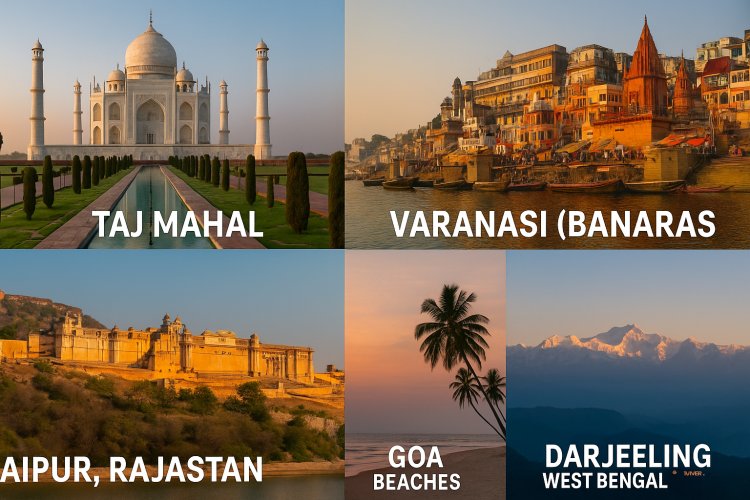
India, with its rich tapestry of history, culture, and diverse landscapes, offers travelers an unforgettable journey through time and tradition. From ancient architectural marvels to bustling metropolises, the country presents a kaleidoscope of experiences that captivate the senses and stir the soul. Here's my personal journey through India's five most iconic destinations, complete with insights on local cuisine, accommodation, transportation, and those special moments that made each place unforgettable.
1. The Taj Mahal, Agra
There's something profoundly moving about witnessing the first rays of dawn illuminate the pristine white marble of the Taj Mahal. Standing before this monument to eternal love, I felt a sense of awe that photographs simply cannot capture.
The Experience
Built by Emperor Shah Jahan in memory of his beloved wife Mumtaz Mahal, this 17th-century mausoleum is a masterpiece of Mughal architecture. The symmetrical gardens, reflecting pools, and intricate inlay work create a sense of perfect harmony. I recommend arriving at sunrise not just to avoid the crowds but to witness the marble facade change colors as daylight strengthens—from soft pink to brilliant white.
The Taj complex includes a mosque, guest house, and the ornate main gateway. Take your time exploring the grounds and don't miss the museum that houses original architectural drawings and artifacts.
Local Cuisine
Agra's food scene is a delightful mix of Mughlai traditions and street food culture. After a morning at the Taj, I treated myself to:
- Petha: A translucent soft candy made from ash gourd and flavored with rose water and saffron. Panchhi Petha store in Sadar Bazaar offers the most authentic varieties.
- Bedai with Aloo Sabzi: A breakfast specialty of deep-fried puffy bread served with spicy potato curry.
- Mughlai Paratha: A stuffed flatbread filled with minced meat, eggs, and spices that reflects the rich Mughal culinary heritage.
For a memorable dining experience, I recommend Peshawri at ITC Mughal, where the slow-cooked Bukhara Dal and tandoori dishes are sublime.
Accommodation
Agra offers accommodations for every budget:
- Luxury: The Oberoi Amarvilas offers breathtaking views of the Taj Mahal from every room (approximately ₹30,000-₹50,000 per night).
- Mid-range: Radisson Blu Agra provides comfortable rooms with modern amenities (₹7,000-₹12,000 per night).
- Budget: Hotel Kamal provides clean, basic rooms within walking distance of the eastern gate (₹1,500-₹3,000 per night).
I stayed at the Taj Hotel & Convention Centre, which offered a stunning rooftop view of the monument at night—a memory I'll cherish forever.
Transportation
Getting around Agra is relatively straightforward:
- To reach Agra: The Gatimaan Express from Delhi is India's fastest train, covering the distance in about 100 minutes.
- Within the city: Auto-rickshaws are abundant, though negotiate the fare beforehand (typically ₹100-₹150 between major sites).
- Guided tours: For convenience, I booked a day tour with a local guide who provided historical context and helped navigate the crowds.
Tip: The Taj Mahal is closed on Fridays. Plan your visit accordingly.
The Best Part
The most magical moment came during the full moon night viewing of the Taj Mahal—a limited event available just five days each month. Seeing the monument bathed in moonlight, with fewer visitors around, created an atmosphere of tranquility that contrasted beautifully with the daytime experience.
2. Varanasi (Banaras)
Varanasi is less about sightseeing and more about experiencing a way of life that has continued uninterrupted for thousands of years. As one of the world's oldest continuously inhabited cities, it pulses with spiritual energy that's palpable even to non-believers.
The Experience
The heart of Varanasi is its ghats—the series of steps leading down to the sacred Ganges River. I recommend experiencing both dawn and dusk here:
- Dawn: Take a sunrise boat ride along the Ganges to witness thousands of pilgrims performing morning rituals and prayers.
- Dusk: Attend the Ganga Aarti ceremony at Dashashwamedh Ghat, where priests perform elaborate rituals with fire, incense, and chanting.
Beyond the ghats, explore the labyrinthine old city with its narrow lanes filled with temples, shops selling silk saris, and sweet shops that have been operating for generations.
The Kashi Vishwanath Temple, dedicated to Lord Shiva, is a major pilgrimage site (though non-Hindus may not be allowed in the inner sanctum). The newly constructed Kashi Vishwanath Corridor has made access easier while preserving the temple's sanctity.
Local Cuisine
Banaras is a food lover's paradise with unique specialties:
- Banarasi Paan: A betel leaf preparation with areca nut, slaked lime, and various flavors—considered a digestive and mouth freshener.
- Thandai: A refreshing milk-based drink flavored with almonds, fennel seeds, and sometimes a touch of bhang (cannabis)—legal in certain shops.
- Banarasi Kachori Sabzi: Crispy lentil-stuffed pastries served with a spicy potato curry for breakfast.
- Malaiyo: A winter specialty—saffron-flavored milk foam served in earthen cups, available only during winter mornings.
For authentic local food, I loved Kashi Chat Bhandar near Godowlia and the lassi at Blue Lassi Shop in the old city.
Accommodation
Varanasi offers diverse accommodation options:
- Luxury: BrijRama Palace, a heritage hotel right on the Darbhanga Ghat, offers an immersive experience (₹15,000-₹25,000 per night).
- Mid-range: Suryauday Haveli provides comfortable rooms with river views (₹5,000-₹8,000 per night).
- Budget: Zostel Varanasi offers clean dormitories and private rooms with a social atmosphere (₹500-₹2,000 per night).
My stay at Guleria Kothi, with its balconies overlooking the Ganges, allowed me to observe river life at all hours—a constantly changing panorama of humanity.
Transportation
Navigating Varanasi requires patience:
- To reach Varanasi: The city has its own airport with connections to major Indian cities. Overnight trains from Delhi are comfortable and economical.
- Within the city: The old city is best explored on foot, as the lanes are too narrow for vehicles. For longer distances, auto-rickshaws are readily available.
- River transport: Boat rides are both practical transportation and a quintessential Varanasi experience. Negotiate the rate beforehand (approximately ₹200 per person for an hour-long shared boat ride).
The Best Part
What moved me most was witnessing the circle of life so openly displayed—from spiritual seekers meditating at dawn to cremation ceremonies at Manikarnika Ghat. There's an acceptance of mortality here that's both profound and liberating. Sitting silently by the river at dawn, watching the city slowly wake up to the sound of temple bells, offered a moment of rare clarity and peace.
3. Jaipur, Rajasthan
Known as the "Pink City" for its distinctive terracotta-pink buildings, Jaipur embodies the romantic notion of royal India with its majestic forts, opulent palaces, and vibrant bazaars.
The Experience
Jaipur forms one corner of India's popular Golden Triangle tourist circuit, and its architectural wonders offer a glimpse into royal Rajput heritage:
- Amber Fort: Perched on a hilltop, this magnificent fort complex features sections adorned with mirrors, delicate carvings, and painted murals. The uphill journey to the fort can be made on decorated elephants, though I preferred the jeep option for ethical reasons.
- City Palace: Still partly a royal residence, the palace complex features courtyards, museums, and textile collections that showcase Rajasthani craftsmanship.
- Hawa Mahal (Palace of Winds): This iconic five-story facade of pink sandstone was designed to allow royal ladies to observe street life without being seen.
- Jantar Mantar: This UNESCO World Heritage site is an astronomical observation site featuring the world's largest stone sundial.
Local Cuisine
Rajasthani cuisine is rich and flavorful, designed to withstand the desert climate:
- Dal Baati Churma: Lentil curry served with hard wheat rolls and a sweet crumbled treat.
- Laal Maas: Fiery red meat curry prepared with mathania chilies and yogurt.
- Pyaaz Kachori: Deep-fried pastries filled with spiced onions and served with tangy chutneys.
- Ghewar: Disc-shaped sweet cakes soaked in sugar syrup, especially popular during festivals.
For authentic royal dining experiences, I recommend Suvarna Mahal at Rambagh Palace and Cinnamon at Jai Mahal Palace. For street food, the Masala Chowk food court offers a clean, organized way to sample local specialties.
Accommodation
Jaipur excels in heritage hospitality:
- Luxury: Rambagh Palace, a converted royal residence, offers an authentic palace experience (₹35,000-₹70,000 per night).
- Heritage: Samode Haveli, a 175-year-old mansion, combines traditional architecture with modern comforts (₹12,000-₹20,000 per night).
- Mid-range: Dera Rawatsar provides a boutique hotel experience with personalized service (₹5,000-₹8,000 per night).
- Budget: Zostel Jaipur offers clean, social accommodation with a rooftop café (₹600-₹2,500 per night).
I stayed at Alsisar Haveli, where the ornate courtyards and traditionally decorated rooms made me feel like a guest of the maharaja.
Transportation
Jaipur has excellent transportation options:
- To reach Jaipur: The city is well-connected by air, rail, and road to major Indian cities. The Delhi-Jaipur highway is excellent for self-driving.
- Within the city: Jaipur's metro system is clean and efficient for covering longer distances. For comprehensive sightseeing, hiring a driver for the day (approximately ₹2,000) is convenient.
- Rickshaws and Rideshares: Auto-rickshaws are abundant, though app-based services like Uber and Ola offer air-conditioned comfort with fixed pricing.
The Best Part
The highlight of my Jaipur experience was attending the Elephant Festival (held annually around Holi festival), where elaborately painted elephants participate in a grand procession. The city's ability to blend living traditions with modern amenities creates an atmosphere where the past feels vibrantly alive rather than preserved behind museum glass.
4. Goa's Beaches
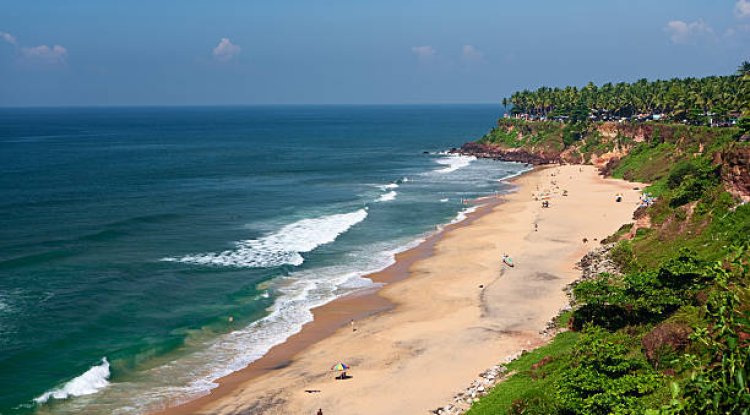
After the intensity of India's urban centers, Goa's palm-fringed beaches offer a welcome change of pace. This small western state, with its Portuguese colonial heritage, has a distinct character that sets it apart from the rest of India.
The Experience
Goa offers diverse beach experiences:
- North Goa: Beaches like Baga, Calangute, and Anjuna have a lively atmosphere with beach shacks, water sports, and nightlife.
- South Goa: Palolem, Agonda, and Colva beaches offer quieter, more serene environments ideal for relaxation.
- Beyond beaches: Goa's Portuguese heritage is evident in Old Goa's churches and the Latin Quarter of Fontainhas in Panaji, with its colorful colonial buildings and European ambiance.
I spent my mornings exploring sixteenth-century churches and spice plantations, afternoons lounging on beaches, and evenings sampling seafood at beachside shacks—a perfect balance of culture and relaxation.
Local Cuisine
Goan cuisine is a delicious fusion of Portuguese techniques and Indian ingredients:
- Goan Fish Curry: Made with coconut milk and local spices, best enjoyed with steamed rice.
- Vindaloo: Originally a Portuguese dish adapted with Indian spices, traditionally prepared with pork.
- Bebinca: A multi-layered pudding made with coconut milk, considered Goa's signature dessert.
- Feni: A potent local liquor distilled from either cashew apples or coconut palm sap.
For authentic Goan food, I recommend Spice Goa in Majorda and Mum's Kitchen in Panaji. For seafood, the shacks at Arambol Beach offer fresh catch cooked in various styles.
Accommodation
Goa offers accommodations for every preference:
- Luxury: The Leela Goa and Taj Exotica offer beachfront luxury with excellent amenities (₹20,000-₹40,000 per night).
- Mid-range: Sonesta Inns in Candolim provides comfortable rooms close to popular beaches (₹5,000-₹10,000 per night).
- Budget: Zostel Goa and numerous beach huts in Palolem offer affordable options (₹1,000-₹3,000 per night).
- Unique: Ikshaa Villa in Siolim and other restored Portuguese houses offer heritage stays (₹8,000-₹15,000 per night).
I stayed at a small guesthouse in Arambol with a balcony overlooking the sea—simple but perfect for falling asleep to the sound of waves.
Transportation
Getting around Goa requires planning:
- To reach Goa: The state has an international airport at Dabolim with good connectivity. Trains connect Goa to major Indian cities, though stations may be far from beach areas.
- Within Goa: Renting a scooter (approximately ₹300-₹500 per day) gives you the freedom to explore at your own pace. Auto-rickshaws are available but tend to be expensive by Indian standards.
- Taxis and Rideshares: App-based services have limited presence; local taxi services often operate with fixed rates between destinations.
The Best Part
The most magical experience was witnessing a traditional Goan tiatr (theater performance) in a village near Mapusa. The mix of music, comedy, and social commentary provided insights into local culture that no guidebook could offer. The casual interaction between locals and visitors creates an environment where cultural exchange happens naturally—whether through shared meals, music, or simply watching the sunset together.
5. Darjeeling, West Bengal
Nestled in the foothills of the Himalayas, Darjeeling offers a refreshing mountain retreat with colonial charm, Buddhist culture, and of course, some of the world's finest tea.
The Experience
Darjeeling's main attractions include:
- Tiger Hill: The viewpoint offers spectacular sunrise vistas of the Kanchenjunga mountain range and, on clear days, even Mount Everest.
- Darjeeling Himalayan Railway: This UNESCO World Heritage "toy train" winds through the mountains on narrow-gauge tracks laid in the 1880s.
- Tea Estates: Visits to working tea gardens like Happy Valley Tea Estate offer insights into tea production and opportunities for tasting.
- Padmaja Naidu Himalayan Zoological Park: Home to endangered Himalayan species including the snow leopard and red panda.
The town itself is a delightful mix of colonial architecture, Buddhist monasteries, and Himalayan culture. The Mall Road (now Nehru Road) provides a pleasant walking area with views of the mountains, small shops, and cafés.
Local Cuisine
Darjeeling's cuisine reflects its diverse cultural influences:
- Momos: Steamed or fried dumplings filled with vegetables or meat, served with spicy tomato chutney.
- Thukpa: A hearty noodle soup with vegetables and meat, perfect for cool mountain evenings.
- Sel Roti: Ring-shaped rice bread that's slightly sweet, commonly eaten for breakfast.
- Darjeeling Tea: The region's famous tea is characterized by its muscatel flavor—best enjoyed at sunset on a hotel terrace overlooking the mountains.
For authentic local experiences, I recommend Kunga Restaurant for Tibetan cuisine and Glenary's for its colonial-era bakery and restaurant serving Continental and Indian dishes.
Accommodation
Darjeeling offers accommodation options that maximize mountain views:
- Luxury: Windamere Hotel, a former boarding house for bachelor tea planters, offers colonial nostalgia with afternoon tea services (₹12,000-₹20,000 per night).
- Heritage: Mayfair Darjeeling, housed in the former summer residence of the Maharaja of Nazargunj, combines colonial architecture with modern amenities (₹8,000-₹15,000 per night).
- Mid-range: Dekeling Resort offers comfortable rooms with mountain views (₹3,000-₹6,000 per night).
- Budget: Revolver, a Beatles-themed guesthouse, provides a quirky atmosphere with affordable rates (₹1,000-₹2,500 per night).
I stayed at Glenburn Tea Estate, a working tea plantation with just eight rooms. Waking up to misty mountain views and taking walks through tea gardens created a sense of tranquility that was worth every rupee.
Transportation
Navigating Darjeeling's mountainous terrain requires patience:
- To reach Darjeeling: The nearest airport is Bagdogra (approximately 70km away), from where shared jeeps and taxis make the 3-hour uphill journey. New Jalpaiguri is the nearest major railway station.
- Within Darjeeling: The town is best explored on foot, though the steep inclines can be challenging. Shared jeeps connect different parts of the town and nearby attractions.
- The Toy Train: More of a tourist experience than practical transportation, but offers an unforgettable journey through the mountains.
The Best Part
The most memorable experience was the early morning hike to Tiger Hill. Setting out in darkness, wrapped in warm clothes and clutching a thermos of hot tea, I joined a small group hiking up to the viewpoint. As dawn broke, the clouds parted to reveal the snowcapped peaks of Kanchenjunga bathed in golden light—a moment of pure natural splendor that justified every early morning alarm and bumpy mountain road.
Practical Tips for Traveling in India
Before concluding, I'd like to share some general advice that served me well throughout my Indian journey:
- Timing: October to March offers pleasant weather across most of India. Avoid the monsoon season (June-September) for places like Goa and the summer heat (April-June) for cities like Agra and Jaipur.
- Health precautions: Stick to bottled water, be careful with street food (though don't avoid it entirely!), and carry basic medications for stomach issues.
- Respectful dress: Particularly at religious sites, both men and women should dress modestly, covering shoulders and knees. Keeping a scarf handy is useful for temple visits.
- Bargaining: Expected in markets and for auto-rickshaws, but approach it as a friendly conversation rather than a battle.
- Local SIM card: Affordable and essential for navigation, booking transportation, and staying connected.
India rewards the patient, open-minded traveler with experiences that engage all senses and create lasting memories. Each of these five destinations reveals a different facet of this diverse nation, from spiritual traditions to royal heritage, colonial influences to natural beauty. Whether you're drawn to architectural wonders, culinary adventures, or cultural immersion, India offers journeys that transform travelers in ways they rarely anticipate.
What began as my simple exploration of famous sites evolved into a deeper understanding of a culture that manages to be both ancient and dynamic, traditional and innovative, spiritual and pragmatic. India doesn't just show you its sights—it invites you into its rhythms, challenges your assumptions, and ultimately changes your perspective on what matters most in life.