Jammu & Kashmir Travel Guide: Best Places, Food, Hotels & Transport
Your ultimate Jammu & Kashmir travel guide! Discover stunning places like Srinagar & Gulmarg, authentic Kashmiri food, top hotels, houseboats, and easy transport tips. Plan your dream Kashmir trip today.
A Complete Travel Guide to Places, Food, Hotels & Transport
Nestled in the northernmost part of India, Jammu & Kashmir is a land of ethereal beauty, often lovingly referred to as "Paradise on Earth." Its breathtaking snow-capped Himalayan peaks, serene turquoise lakes, lush green valleys, and vibrant cultural tapestry make it an unparalleled destination for travelers seeking both adventure and tranquility. From the moment you arrive, you'll be captivated by the sheer magnificence of its landscapes and the warmth of its people. Whether you're an adrenaline junkie, a culture enthusiast, a foodie, or simply someone looking to escape into nature's embrace, Jammu & Kashmir promises a unique and unforgettable experience that will leave you spellbound.
Top Places to Visit in Jammu & Kashmir
Jammu & Kashmir offers a diverse range of attractions, from the tranquil lakes of Srinagar to the adventurous slopes of Gulmarg and the spiritual heart of Jammu.
Srinagar: The Summer Capital

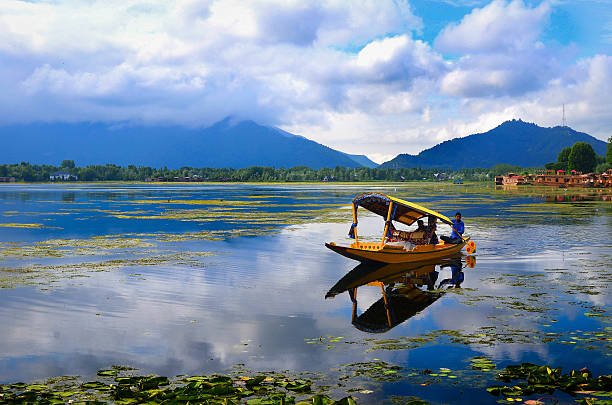
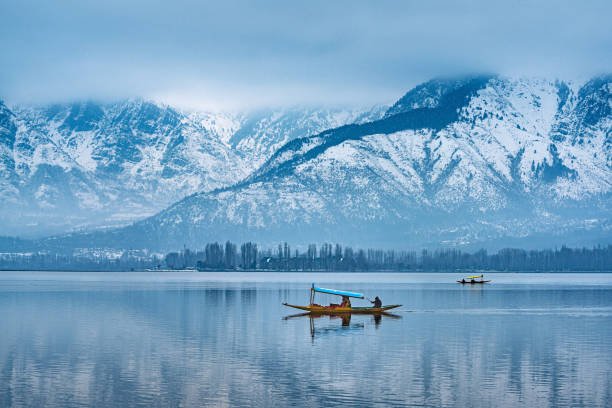
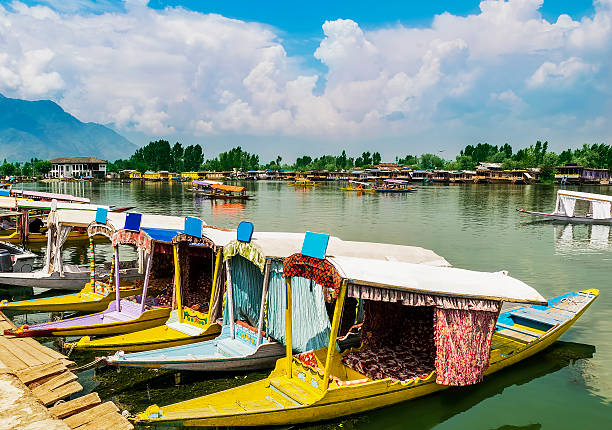
Srinagar, the largest city and summer capital, is synonymous with the iconic Dal Lake. A shikara ride on its calm waters, surrounded by majestic mountains and floating gardens, is an experience not to be missed. Explore the exquisite Mughal Gardens – Shalimar Bagh, Nishat Bagh, and Chashme Shahi – with their terraced lawns, cascading fountains, and vibrant flowerbeds. The historic Jama Masjid and the Hazratbal Shrine offer glimpses into the region's rich spiritual heritage. Don't miss a stroll through the bustling old city, with its narrow lanes and traditional wooden architecture.
Gulmarg: The Meadow of Flowers

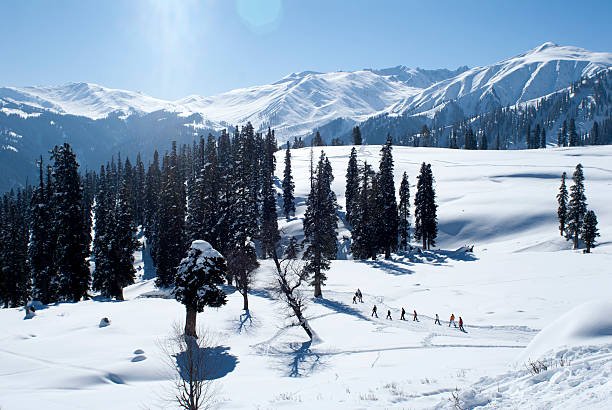
Famous for its stunning ski resorts, Gulmarg transforms into a winter wonderland, attracting skiers and snowboarders from across the globe. The Gulmarg Gondola, one of the highest cable cars in the world, offers panoramic views of the snow-covered peaks, including Nanga Parbat. In summer, the meadows burst into a riot of colourful wildflowers, making it ideal for trekking, horse riding, and golfing on one of the world's highest golf courses.
Pahalgam: The Valley of Shepherds

Situated at the confluence of the Lidder River and Sheshnag Lake, Pahalgam is a picturesque town renowned for its serene beauty and as a starting point for the annual Amarnath Yatra. Explore the enchanting Betaab Valley (named after a Bollywood movie), Aru Valley, and Chandanwari. The region is perfect for trout fishing, river rafting, and leisurely walks amidst pine forests. The Lidder River offers breathtaking views and opportunities for picnics.
Sonamarg: The Meadow of Gold
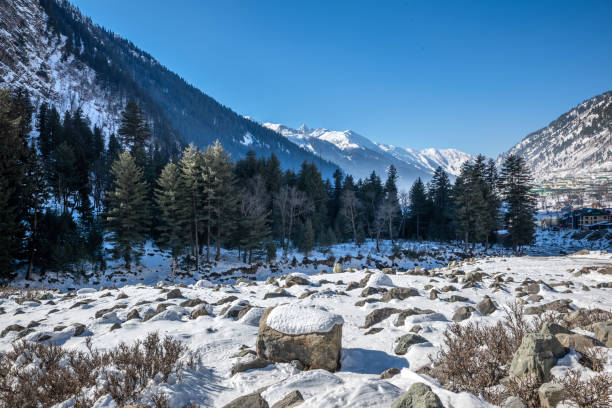
Sonamarg, meaning "Meadow of Gold," lives up to its name with its stunning landscapes of alpine flowers and towering glaciers like the Thajiwas Glacier. It serves as a base for treks to high-altitude Himalayan lakes such as Krishnasar Lake, Vishansar Lake, and Gangabal Lake. The drive to Sonamarg itself is an adventure, offering spectacular views of the Sindh River.
Jammu City: The Winter Capital
The winter capital, Jammu, is known as the "City of Temples." The Raghunath Temple, dedicated to Lord Rama, is one of the largest temple complexes in North India. The Bahu Fort, overlooking the Tawi River, houses a temple dedicated to the goddess Kali and offers panoramic views of the city. A visit to the Vaishno Devi Shrine, located in the Trikuta Mountains, is a significant pilgrimage for Hindus, attracting millions of devotees annually.
Seasonal Highlights & Festivals:
- Tulip Festival (Spring) in Srinagar: Asia's largest tulip garden bursts into bloom, creating a vibrant spectacle.
- Shikara Festival (Summer) in Srinagar: Celebrates the cultural significance of the shikara.
- Gurez Festival (Summer): Showcases the unique Dardic culture of the Gurez Valley.
- Lohri and Baisakhi (Winter/Spring) in Jammu: Celebrated with traditional fervor, bonfires, and folk dances.
- Kheer Bhawani Mela (May/June) in Tulmulla: An important festival for Kashmiri Pandits.
Delicious Food to Try
Kashmiri cuisine, known for its aromatic spices and rich flavours, is an integral part of the travel experience.
Must-Try Dishes:

- Rogan Josh: Aromatic lamb curry cooked with Kashmiri red chilies and a blend of spices.
- Gushtaba: Soft meatballs cooked in a flavourful yogurt gravy, a delicacy often served at the end of a Wazwan.
- Yakhni: A delicate yogurt-based lamb curry flavoured with fennel seeds and cardamom.
- Dum Aloo: Potatoes cooked in a rich, spicy gravy.
- Kashmiri Pulao: A fragrant rice dish cooked with saffron, dry fruits, and sometimes fresh fruits.
- Haak Saag: A simple yet flavourful dish made with collard greens.
- Kahwa: Traditional Kashmiri green tea infused with saffron, cardamom, and almonds – a perfect warmer in the chilly weather.
Wazwan: The Grand Kashmiri Feast
No culinary journey in Kashmir is complete without experiencing Wazwan, a multi-course meal that is considered an art form and an integral part of Kashmiri culture. It traditionally consists of 36 courses, mostly meat-based.
Where to Eat:
- Local Restaurants in Srinagar and Jammu: Many restaurants offer authentic Kashmiri cuisine. Look for places popular with locals.
- Street Food: Sample local snacks like 'Nadru Monje' (lotus stem fritters) and 'Khanda Gazir' (sweetened carrot sticks) from street vendors.
- Reputed Restaurants: Restaurants like Ahdoos and Mughal Darbar in Srinagar are well-known for their Wazwan and traditional dishes.
- Rooftop Dining by Dal Lake: Enjoy a meal with stunning views of the lake and surrounding mountains.
- Local Tea Shops (Chai Khanas): Sip on Kahwa or Noon Chai (salted pink tea) and soak in the local atmosphere.
Comfortable Hotels and Stays
Jammu & Kashmir offers a wide array of accommodation options to suit every budget and preference.
- Luxury Houseboats on Dal Lake (Srinagar): Experience the unique charm of staying on intricately carved wooden houseboats. These offer varying levels of luxury, with amenities often including en-suite bathrooms, dining areas, and sundecks. Popular choices include WelcomHeritage Gurkha Houseboats and Mascot Houseboats.
- Luxury Hotels: Cities like Srinagar and Jammu have several luxury hotels offering world-class amenities, such as The Lalit Srinagar, Vivanta Dal View Srinagar, and Radisson Jammu.
- Cozy Guesthouses and Boutique Stays: Find charming guesthouses and boutique hotels in tourist spots like Pahalgam, Gulmarg, and Leh (Ladakh region, often combined with Kashmir trips), offering a more intimate experience. The Khyber Himalayan Resort & Spa in Gulmarg is a high-end option.
- Budget Hotels and Homestays: For budget-conscious travelers, numerous affordable hotels and homestays are available, providing a comfortable stay and a chance to interact with local families.
Booking Tips & Local Hospitality:
- Book in Advance: Especially during peak tourist season (May-September for Kashmir Valley, October-March for Jammu winter/skiing in Gulmarg), it's advisable to book accommodations well in advance.
- Check Reviews: Look for recent reviews on travel portals to ensure the quality of service and amenities.
- Kashmiri Hospitality: Kashmiris are known for their warm and welcoming nature. Expect to be treated with genuine care and often invited for tea.
- Homestay Etiquette: If staying in a homestay, respect the local customs and traditions of your host family. It's a wonderful opportunity to learn about their way of life.
Navigating Public Transport
Getting around Jammu & Kashmir can be an adventure in itself. Here’s how to navigate the region:
- Local Taxis: Taxis are readily available in major towns like Srinagar and Jammu for sightseeing and point-to-point travel. It's advisable to fix the fare before starting your journey or ensure the meter is used where available.
- Auto-rickshaws: Common in Jammu city and parts of Srinagar for shorter distances.
- Buses: State-run and private buses connect major towns and tourist destinations. They are an economical way to travel but can be crowded. JKSRTC (Jammu and Kashmir State Road Transport Corporation) operates services across the region.
- Shared Cabs (Sumos/TaTa Sumos/Traveras): A popular and cost-effective option for inter-town travel, especially to places like Gulmarg, Pahalgam, and Sonamarg from Srinagar. These operate on fixed routes and fill up quickly.
- Traveling Between Major Towns:
- Srinagar to Gulmarg/Pahalgam/Sonamarg: Shared cabs or pre-booked taxis are the most common modes.
- Jammu to Srinagar: Buses (both government and private) and shared cabs ply this route. The journey offers scenic views but can be long (approx. 8-10 hours). Flights are also available.
Renting Vehicles or Hiring Guides:
- Renting Vehicles: Self-drive car rentals are not as common or straightforward for tourists as in some other destinations. It's often easier and safer to hire a car with a local driver who is familiar with the terrain and road conditions.
- Hiring Guides: Licensed guides are available at major tourist spots. They can enhance your experience by providing historical and cultural insights. It's best to hire guides through your hotel or approved tourist information centers.
Safety Tips and Travel Etiquette:
- Confirm Fares: Always agree on fares for taxis or auto-rickshaws before starting your journey.
- Be Mindful of Timings: Public transport, especially buses and shared cabs to remote areas, may have limited schedules. Plan accordingly.
- Respect Local Norms: Dress modestly, especially when visiting religious sites.
- Patience is Key: Journeys can sometimes take longer than expected due to road conditions or traffic.
- Keep Valuables Secure: As with any travel, be mindful of your belongings.
Additional Travel Tips
Weather and Best Time to Visit:
- Spring (March to early May): Pleasant weather, blooming flowers, and the famous Tulip Festival in Srinagar. Ideal for sightseeing.
- Summer (late May to August): Warm days and cool nights. Perfect for visiting Srinagar, Gulmarg, Pahalgam, and Sonamarg. This is also the peak tourist season for the Kashmir Valley.
- Autumn (September to November): Crisp air, golden foliage, and fewer crowds. Considered by many as the most beautiful time to visit the valley.
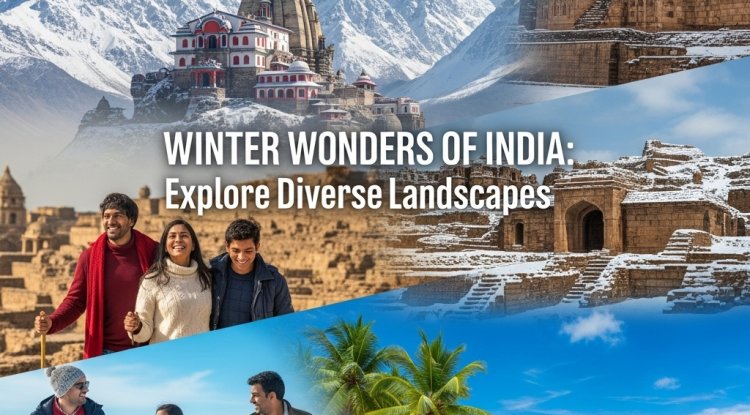
- Winter (December to February): Cold, with heavy snowfall in higher regions like Gulmarg (ideal for skiing) and Sonamarg. Jammu experiences milder winters and is a popular destination during this time.
Permits, Security, and Local Customs:
- Permits: Generally, Indian nationals do not require permits to visit most tourist destinations in Jammu & Kashmir. However, permits might be needed for certain border areas or high-altitude treks. Foreign nationals may require Protected Area Permits (PAP) for some regions, especially in Ladakh (if extending the trip). Always check the latest regulations before your travel.
- Security: While the region has faced unrest, tourist areas are generally safe. However, it's crucial to stay updated on the current political situation and follow any travel advisories issued by the government. Avoid venturing into sensitive areas without proper guidance. Keep copies of your identification documents with you.
- Local Customs:
- Dress Modestly: Especially when visiting religious shrines (mosques, temples, dargahs). Covering your head might be required in some places.
- Respect Religious Practices: Be mindful and respectful during prayer times or religious ceremonies.
- Ask Before Photographing People: It’s polite to seek permission before taking pictures of individuals.
- Remove Footwear: You'll often be required to remove your footwear before entering homes or religious places.
Packing Essentials:
- Layered Clothing: Regardless of the season, pack clothes that can be layered as temperatures can change quickly, especially in hilly areas.
- Warm Clothes (even in summer for higher altitudes): Sweaters, jackets, shawls, thermal wear (for winter).
- Comfortable Walking Shoes: Essential for sightseeing and trekking.
- Rain Gear: An umbrella or raincoat, especially if traveling during monsoon or spring.
- Sun Protection: Sunscreen, sunglasses, and a hat, as the sun can be strong at higher altitudes.
- First-Aid Kit: Include basic medicines for headache, fever, stomach upset, motion sickness, and any personal medications.
- Moisturizer and Lip Balm: The air can be dry.
- Valid ID Proof: Carry your government-issued ID cards.
Health Precautions:
- Altitude Sickness: If traveling to high-altitude areas like Sonamarg or planning treks, acclimatize properly. Ascend gradually, stay hydrated, and avoid alcohol and strenuous activity initially.
- Water: Drink bottled or filtered water.
- Food Safety: Eat at clean and reputable places.
- Consult Your Doctor: Before your trip, especially if you have any pre-existing health conditions.